Frozen vs fresh meals: which is right for you?
- 16 Mar 2026
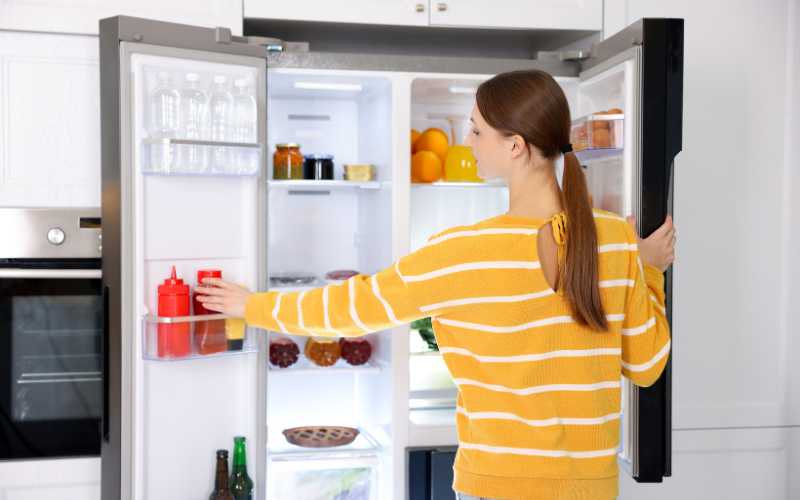
Nutrition, cost and lifestyle comparison for busy Australians.
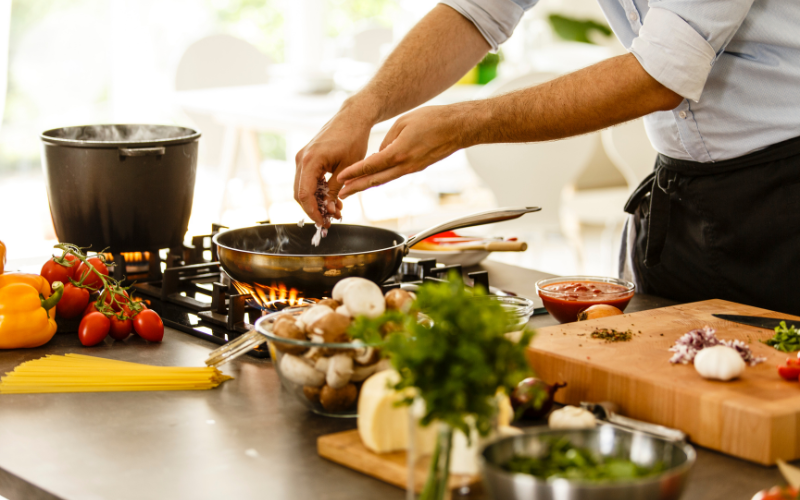
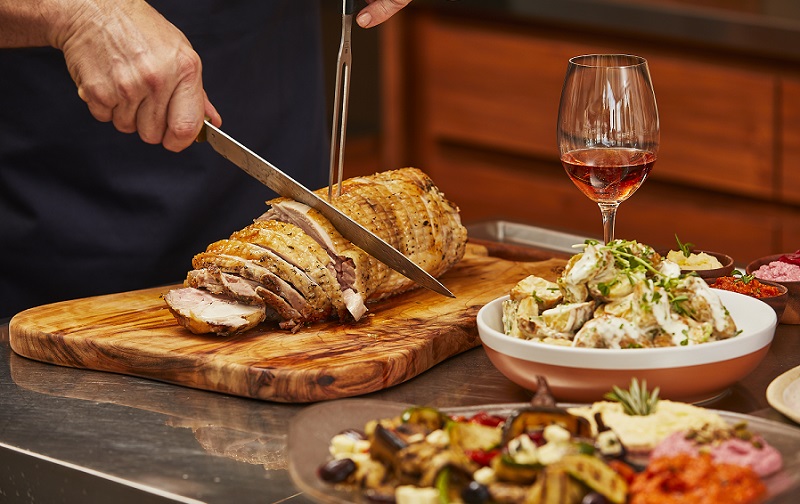
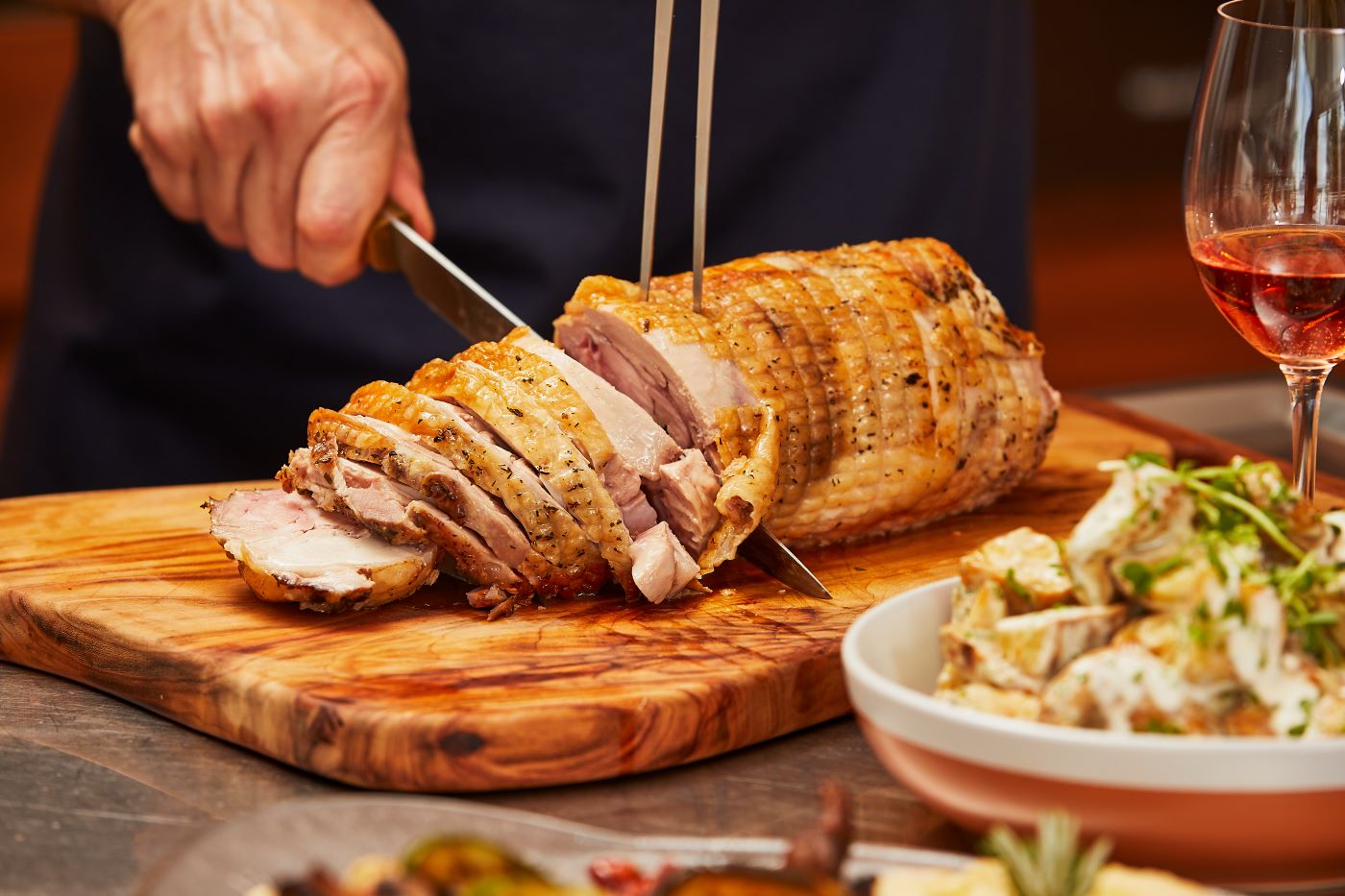
Let’s be honest: nothing tops a home-cooked meal. Preparing food in your own kitchen, using fresh, quality ingredients, is hands down the best way to eat well, enjoy real flavours, and nourish your body. There’s a reason home cooking is the gold standard for health-conscious Aussies—meals are made with love, you know exactly what’s going in, and you get the most out of your veges, grains, and proteins.
But let’s face it: life is busy. Whether you’re working late, wrangling the kids, or just want to put your feet up after a long day, whipping up a meal from scratch isn’t always on the cards. That’s where smart alternatives come in, helping you stay on track with your nutrition (and sanity) when time is tight.
The frozen vs fresh foods debate—what really matters?
Australians are divided. Most of us know the benefits of home cooking for our health but do we have time to cook everything to satisfy our whole household, multiple meals a day, seven days a week? When you’re busy working, caring for children or the elderly, or enjoying life to the full, something has the give.
How much you decide to outsource probably comes down to your skill in the kitchen and the enjoyment (or not) you derive from it; your economic circumstances; and how much value you place on what you put into your mouth. Plus, whether you can find satisfactory alternatives to cooking that meet your health goals and budget.
When you can’t cook, you’re likely weighing up the pros and cons of frozen meals vs fresh meals. The truth? Both options can fill a gap, but not all are created equal. Let’s break down what matters most—nutrition, convenience, and taste—so you can make the smartest choice for you and your family.
Nutrition showdown: home-cooked, frozen, or fresh-prepared?
When it comes to nutrition, home-cooked meals are still the top pick. Cooking from scratch means you control the salt, sugar, and fat, and you can pile in as many veges as you like. But when you need a backup, frozen meals are a brilliant option—if you choose wisely.
Why frozen meals can be a healthy choice
There’s still a stigma around frozen meals— some Aussies instantly dismiss them as highly processed and lacking in real nutrition, which is a shame. In reality, snap-freezing locks in vitamins and minerals at their peak, often making frozen foods just as healthy (if not healthier) than fresh produce that’s been sitting in the fridge for days. A study from the University of California found that frozen veges often retain up to 90% of their nutrients, while fresh produce can lose vitamins like Vitamin C during transport and storage. So, when you’re picking up frozen meals, you can still get a hefty dose of those good-for-you vitamins!
Frozen fruits and vegetables for the win
Frozen fruits are the unsung heroes of the convenience food world. They’re perfect for smoothies, baking, or just snacking without the fear of spoilage. Plus, they’re just as nutritious as fresh fruit—if not more—since they’re picked at their peak and frozen immediately, preserving their flavour and nutritional value without the need for added preservatives.
Taste and texture: the home-cooked advantage
There’s nothing quite like the taste and crunch of a fresh salad or a perfectly roasted veg straight from the oven. Home-cooked meals let you enjoy food at its best, with real textures and flavours. Frozen meals are delicious too—but not every food will freeze well so it pays to understand the strengths and weaknesses of fresh and frozen.
Fresh trumps crunchy & raw
When you’re chasing that crisp crunch or vibrant bite, nothing beats fresh produce. Fresh veges and fruits are at their absolute peak for texture and flavour when enjoyed raw, making them ideal for salads, slaws, and fruit bowls. The natural firmness and snap you get from freshly picked carrots, celery, capsicum, or apples simply can’t be matched by frozen alternatives. That’s because freezing can sometimes soften cellular structure, which means you might lose that satisfying crunch that makes salads and raw snacks so appealing.
Frozen for comfort foods
Frozen vegetables may not have that crispy bite when eaten raw, but when cooked, they can perform just as well as fresh ones. So, if you’re tossing them into a stew or casserole, you’ll barely notice the difference in taste and texture.
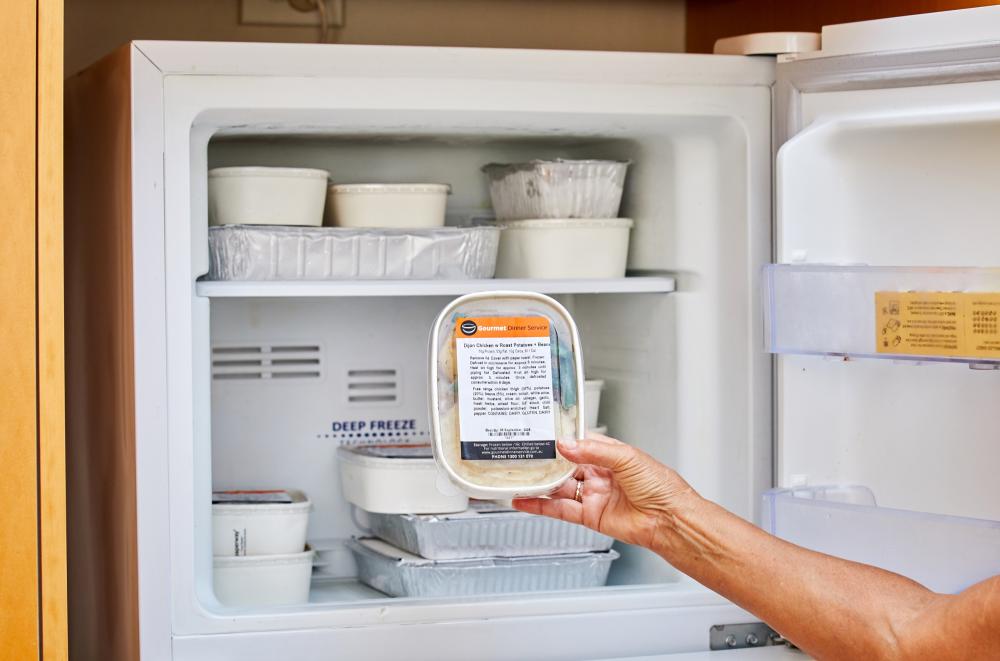
Today’s frozen dinners, like those from Gourmet Dinner Service, are packed with fresh, nutritious ingredients and thoughtfully crafted recipes. The key is quality ingredients and clever cooking techniques – where frozen does best is when texture and taste is maintained or improved with the freezing process, such as with casseroles, curries and pasta bakes. And while we’re all about supporting healthy home cooking, we’re also realists. Frozen meals can be the perfect solution for those days when you don’t have the time or energy to cook.
Convenience, cost, and food waste—where frozen shines
Frozen is budget-friendly & low waste
When you weigh up the time it takes you to shop, prep and cook, you’ll realise that frozen meals are great value for money. Especially if you buy ahead and can store them until you need them. It gives you peace of mind knowing you’ll always have a healthy meal on hand. Plus, there’s far less food waste. Unlike fresh produce and meat, which might only last a few days in the fridge, frozen meals have many months shelf life which translates to flexibility and sustainability. According to the Food Waste Index, nearly 20% of food in Australia goes to waste, with fresh produce being one of the biggest contributors. But frozen options can help you cut down on that.
Frozen can’t be beaten for quick & easy
In the race against the clock, frozen meals are a total game-changer. They require minimal prep—no chopping, no washing, no hours spent slaving away in the kitchen. Just heat and eat. Fresh home-cooked food, on the other hand, can take a lot more time and effort to prepare.
If you’re feeding a young family, you’ll appreciate how quickly kids hunger can develop after a day at school or daycare. Having frozen pre-prepared family meals ready to go can be a lifesaver to keep things calm. Frozen meals also work well for people with changing schedules, shift workers, or families who need something fast before sports or study sessions. Keeping your freezer stocked with healthy choices helps you avoid dinnertime panic and expensive, high-calorie takeaway options.
What about “fresh” prepared meals?
Fresh prepared meals might sound healthy, but there’s a catch. Many are made days in advance and kept “fresh” through the use of additives, preservatives or artificial ingredients which can be harmful to human health. Gas flushing techniques are another common way that manufacturers unnaturally extend shelf life on perishable products like refrigerated prepared meals and meats. Gas flushed food still deteriorates, so nutrients are being depleted over time.
What all this means is that fresh pre-prepared meals are not always as close to home cooking as you’d hope—and sometimes, they’re not as nutritious either. Always check the label or contact the manufacturer to enquire.
Freezing, on the other hand, is a natural preservation method that doesn’t require anything synthetic when done right. Plus, it locks in the nutrient content from the time of freezing.
Our advice: don’t assume that because it’s in the fridge, it’s fresher or healthier than frozen.
Choosing the right frozen meal: what to look for
Not all frozen meals are equal. For the healthiest option, check the label for:
- Real ingredients: Look for whole foods (like you’d use at home), not fillers, numbers or names you can’t pronounce. Opting for meals with recognisable vegetables, lean meats, legumes, and grains means you’re getting real nutrition rather than artificial substances. If the ingredient list reads like a home recipe, that’s a good sign. Avoid products packed with additives or mystery ingredients—your body will thank you for sticking to the basics.
- Low sodium, sugar & fat: Too much salt, added sugars or unhealthy fats aren’t great for anyone. Some processed ready meals are loaded with salt or sweeteners to enhance flavour and extend shelf life. You’ll want to avoid excess saturated fat and trans fats too. Check the nutrition panel before you buy. This is especially important for those managing blood pressure, diabetes, or simply wanting to eat cleaner.
- Minimal additives: Top brands rely on the freezing process, not preservatives or artificial colours and flavours. Frozen meals should be free from unnecessary chemicals or additives—after all, freezing itself acts as a natural preservative. Look for options without artificial colours, flavours, or stabilisers, and avoid those with long lists of E-numbers. The fewer extras, the better for your health and taste buds.
- Balanced nutrition: Choose meals that provide a variety of vegetables, lean proteins (such as chicken, fish, or tofu), and wholegrains like brown rice or quinoa. A balanced meal supports energy levels, keeps you fuller for longer, and helps you tick off daily nutrition targets. Avoid meals heavy in carbs or fats without any fresh produce or protein.
Where does Gourmet Dinner Service fit in?
Gourmet Dinner Service (GDS) meals are as close as you’ll get to home cooking without the effort. Each meal is made by chefs using real ingredients—just like you’d use in your own kitchen. There are no shortcuts, no nasties, just wholesome, nutritious food, cooked fresh and snap-frozen to lock in goodness and flavour. It’s home-style cooking, ready when you are.
Unlike many supermarket frozen meals, GDS meals are designed by nutritionists, with options for individuals, couples, families. They also offer seniors meal delivery for Support At Home customers and are an approved NDIS meal provider. You get nourishing dishes that are delicious, diverse in flavour and convenient—perfect for busy Aussies who don’t want to compromise on quality.
Frozen vs Fresh Meals: Pros and Cons
|
Category |
Frozen Meals |
Fresh Meals |
|
Nutritional Value |
Retains nutrients through snap-freezing, preserving vitamins and minerals at their peak. Can be as nutritious (or more) than fresh, especially when fresh produce has been stored for a few days. |
Offers peak nutrition when consumed immediately after harvesting. Nutrient levels drop with time and storage. |
|
Taste & Texture |
Great for cooked dishes—think stews, casseroles, and soups. While frozen veges and fruits might not have that same "crunch" as fresh, they still bring flavour when cooked. |
Best for raw dishes like salads or when you want that crisp, fresh texture. In cooked dishes, the freshness can be less noticeable. |
|
Cost-Effectiveness |
More affordable when you factor in time and effort savings—especially when you stock up and reduce waste. |
Can cost you less especially if batch cooking for efficiency. Watch spoilage though as fresh produce needs to be eaten quickly to avoid wasting money. |
|
Convenience |
Quick, easy, and minimal prep time. Perfect for busy days or when you don’t have time to cook from scratch. |
Requires more prep—shopping, chopping, washing and cooking. Takes more time to prepare and clean up. |
|
Shelf Life & Waste |
Long shelf life in the freezer, helping you plan meals ahead and reduce food waste. No pressure to eat everything within a few days. |
Shorter shelf life, leading to higher chances of spoilage. Fresh produce needs to be consumed quickly, increasing food waste. |
|
Health Considerations |
Healthier options available, especially when meals use natural ingredients without preservatives. Check labels to avoid hidden additives. |
Often healthier if sourced well, but many fresh meals (especially takeaway or pre-prepared options) can contain preservatives, added sugars, or excessive fat, salt or calories. |
Final thoughts – which option fits your lifestyle?
At the end of the day, both frozen and home cooked fresh meals have their place in our kitchens. If you’re someone who loves to cook and eat fresh produce, then making fresh meals is perfect for you. But if you’re a busy Australian who needs a quick, nutritious solution for those hectic days, frozen meals can be just the ticket.
While nothing beats fresh, home-cooked meals packed with a variety of veges and whole foods, frozen meals are an incredibly convenient option when you need something healthy without the fuss. Gourmet Dinner Service is here to help with chef-crafted, healthy frozen meals that fit seamlessly into your busy life.
Explore Gourmet Dinner Service’s Healthy Frozen Dinners
Frequently Asked Questions
Are frozen vegetables healthy?
Yes! Snap-freezing preserves nutrients at their peak, so frozen veges can be just as good for you as fresh.
How long do frozen meals last?
Most keep for months, making them a reliable backup when life gets hectic.
Are frozen foods processed?
Not all—GDS meals, for example, are made from real ingredients, not ultra-processed fillers. It’s important to check labels as some frozen foods are highly processed.
Do frozen foods lose nutrients?
Minimal loss, especially compared to fresh produce that’s been stored for a while.
What’s better: frozen vs canned vs fresh?
Fresh is best for raw eating, frozen is great for nutrients and convenience, canned can be useful especially if you’re travelling and don’t have a fridge/freezer.
Are frozen dinners safe for kids/seniors?
Yes, especially if they’re dietitian-endorsed, low in sodium, and made from natural ingredients—like GDS meals.